Published: 23 July 2026 - 07:00 WIB - Views: 0 views
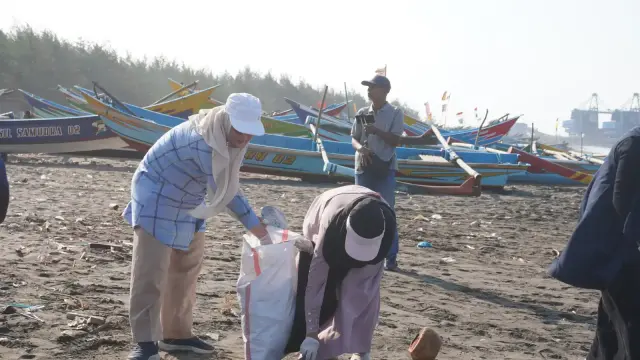
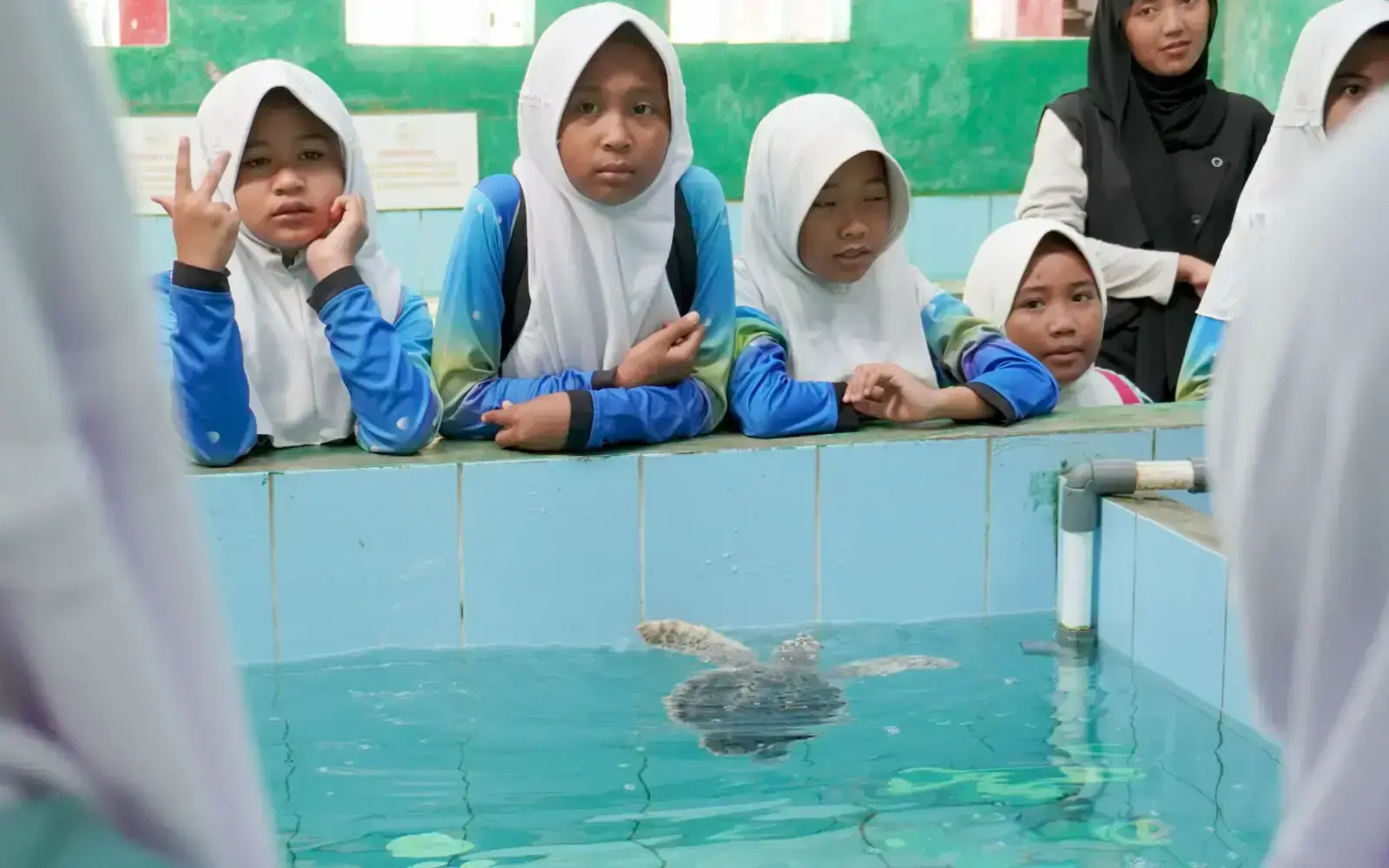
[unsoed.ac.id, Thu, 23/7/26] Academics from Universitas Jenderal Soedirman (Unsoed) have strengthened sea turtle conservation efforts by educating coastal youth through a research-based community service program titled “Strengthening Economy and Sea Turtle Conservation through Edu-Tourism at Pantai Kembar Terpadu, Kebumen.” The activity, held at Pantai Kembar Terpadu in Kebumen Regency on Thursday (July 16, 2026), was carried out in collaboration with the Kembar Terpadu Kebumen Sea Turtle Conservation Group, WWF Indonesia, and SD Negeri 2 Tambakmulyo, Puring District.
This program, part of the Biodiversity and Maritime Center of Unsoed’s Institute for Research and Community Service (LPPM), involved a team of lecturers from the Faculty of Fisheries and Marine Sciences (FPIK), led by Dr. rer. nat. Riyanti, S.T., M.Biotech., along with FPIK students.
The conservation education session was attended by students of SD Negeri 2 Tambakmulyo, accompanied by their principal, Rastono. The materials were further enriched by Ratih R. Ayustina, Marine ETP Species Specialist for Sea Turtle at WWF Indonesia, who explained the importance of protecting sea turtles as legally protected marine species, as well as the role of communities in safeguarding nesting habitats and coastal ecosystems.
Through interactive delivery, students were introduced to various species of sea turtles, their life cycles, nesting habitats, threats to their survival, and the importance of maintaining clean beaches and oceans as part of conservation efforts.
The head of the community service team, Dr. Riyanti, emphasized that early education is a crucial step in building environmental awareness among coastal communities. “This educational program is designed so that children can understand conservation in a simple way, closely connected to their daily lives, and relevant to the coastal environment where they live,” she stated.
She also noted that sea turtles play a vital role in maintaining the balance of marine ecosystems. However, their populations continue to face numerous threats, including habitat destruction, plastic pollution, human activities along coastal areas, climate change, and accidental capture.
“Through this activity, students not only gain knowledge about sea turtles but are also encouraged to develop a caring attitude toward beaches, the ocean, and the surrounding biodiversity. Simple messages such as not littering, not disturbing nests, and not taking turtle eggs are essential parts of this education,” she explained.
The activity also introduced the role of the Kembar Terpadu Kebumen Sea Turtle Conservation Group, led by Hartono, in monitoring nesting beaches, protecting nests, relocating eggs when necessary, caring for hatchlings, releasing them into the sea, and educating the community. The presence of this conservation group provided students with direct learning experiences about conservation practices in the field.
The Unsoed team believes that collaboration among universities, WWF Indonesia, conservation groups, schools, and local communities is key to the success of sea turtle conservation efforts, while also supporting the development of responsible and sustainable conservation-based edu-tourism.
Through this initiative, Unsoed reaffirms its commitment to supporting marine biodiversity conservation through education, research, and community empowerment. Educating coastal students is expected to be an initial step toward shaping a young generation that is aware, responsible, and actively involved in preserving sea turtles and coastal ecosystems in Kebumen Regency.